

Brian Holland’s musical legacy is, quite simply, foundational to American popular music. He’s one third of Holland-Dozier-Holland (H-D-H), the legendary songwriting and production team behind some of Motown’s most iconic and enduring hits. While Lamont Dozier crafted the melodies and Eddie Holland penned the lyrics, Brian was the wizard in the studio, shaping the sound, arranging the instruments, and overseeing the entire production process. Without his keen ear and innovative production techniques, the Motown sound as we know it simply wouldn’t exist. He was instrumental in creating the polished, soulful, and undeniably catchy records that transcended racial barriers and became global phenomena.
Brian Holland’s role as a producer went far beyond just hitting the “record” button. He was a meticulous craftsman, a sonic sculptor who understood how to extract the best performances from musicians and vocalists. His vision was paramount in defining the distinctive “Motown Sound”—a blend of pop, soul, R&B, and gospel that was both sophisticated and accessible.
Crafting the Iconic Beat
One of Brian’s most significant contributions was his innovative approach to rhythm. He often layered multiple drum tracks, used tambourines and other percussion instruments prominently, and emphasized a strong, danceable beat. This was crucial for creating records that moved people, literally and figuratively. Think of the driving rhythms of The Supremes’ “You Can’t Hurry Love” or Martha Reeves & The Vandellas’ “Dancing in the Street.” These weren’t just simple backbeats; they were intricate rhythmic tapestries designed to ignite dance floors.
The Art of Arrangement
Beyond the beat, Brian was a master arranger. He knew how to weave together various instrumental parts—guitars, bass, keyboards, horns, and strings—to create a rich, full sound without it ever feeling cluttered. He had a knack for creating memorable instrumental hooks and counter-melodies that were just as important as the vocal lines. This meticulous attention to detail ensured that every element of the song served a purpose, contributing to the overall emotional impact and commercial appeal.
Vocals as the Centerpiece
While the instrumentation was crucial, Brian always ensured that the vocals remained the focal point. He worked closely with artists, guiding their performances to achieve maximum emotional resonance. He understood the nuances of each singer’s voice and how to best showcase their strengths. Whether it was the soaring harmonies of The Supremes or the gritty passion of Marvin Gaye, Brian knew how to make a vocal performance shine.
A Legacy of Unforgettable Hits
The sheer volume and enduring popularity of the songs Brian Holland produced are staggering. He, along with Dozier and Eddie Holland, churned out hit after hit, defining an era and influencing countless artists who followed. Their discography is a testament to their unparalleled creative synergy.
The Supremes: Defining a Decade
It’s hard to imagine the 1960s without The Supremes. Brian Holland was a key figure in shaping their sound and career. He produced many of their chart-topping singles, helping to solidify their status as global superstars.
- “Where Did Our Love Go” (1964): This song was a breakthrough, establishing The Supremes’ signature sound and propelling them to international fame. Brian’s production gave it a bouncy, infectious quality that was irresistible.
- “Baby Love” (1964): Another number one hit, “Baby Love” further cemented their success. Brian’s arrangement, with its distinctive vibraphone intro and layered vocals, was a masterclass in pop production.
- “Stop! In the Name of Love” (1965): The iconic hand gestures were a visual element, but the song’s musical brilliance came from H-D-H. Brian’s production delivered a powerful, urgent feel that perfectly matched Diana Ross’s lead vocal.
- “You Can’t Hurry Love” (1966): This track is a prime example of Brian’s rhythmic genius. The complex, driving drum pattern and the interplay of instruments create a sense of forward momentum that makes the song incredibly engaging.
Marvin Gaye: Soulful Evolution
Brian Holland’s work with Marvin Gaye showcases his versatility and ability to adapt his production style to different artists. He helped Gaye transition from a smooth R&B crooner to a more soulful and introspective artist.
- “Pride and Joy” (1963): An early hit for Gaye, this song demonstrated Brian’s ability to craft a bright, energetic sound that perfectly suited Gaye’s youthful exuberance.
- “How Sweet It Is (To Be Loved By You)” (1964): This classic track is a masterclass in joyful, upbeat soul. Brian’s production creates an irresistible groove that has made it a timeless favorite.
- “Ain’t That Peculiar” (1965): This song showcased a slightly grittier, more blues-infused side of Gaye. Brian’s production allowed Gaye’s expressive vocals to truly shine, backed by a tight, funky band.
The Four Tops: Powerful Harmonies
The Four Tops, with Levi Stubbs’ powerful lead vocals, were another Motown powerhouse that benefited immensely from Brian Holland’s production expertise. He understood how to maximize the impact of their soaring harmonies and Stubbs’ raw energy.
- “I Can’t Help Myself (Sugar Pie Honey Bunch)” (1965): This upbeat, joyful anthem is a testament to Brian’s ability to create commercially successful pop with genuine soul. The arrangement is tight and dynamic, perfectly complementing the vocal performances.
- “Reach Out I’ll Be There” (1966): One of Motown’s most iconic songs, “Reach Out I’ll Be There” features a dramatic build-up and an unforgettable chorus. Brian’s production creates a sense of urgency and emotional depth that elevates the song to legendary status. The intricate instrumentation and powerful vocal layering are hallmarks of his work.
Beyond the Hits: Innovation and Influence
Brian Holland’s influence extended beyond the countless hits he produced. He was a forward-thinking innovator who constantly pushed the boundaries of popular music production.
The Motown “Assembly Line”
While often criticized for its rigidity, the Motown “assembly line” approach to music production, with H-D-H at its core, was incredibly efficient and effective. Brian played a crucial role in refining this system. By having a dedicated team for songwriting, arranging, and production, they could consistently deliver high-quality, commercially viable records. This systematized approach allowed them to achieve an unprecedented level of success and consistency. It wasn’t about stifling creativity, but rather about channeling it effectively to produce a distinctive and marketable sound.
The Role of the Funk Brothers
It’s impossible to talk about Brian Holland’s production without acknowledging the invaluable contribution of The Funk Brothers, Motown’s in-house session musicians. Brian understood the immense talent within this group and knew how to utilize their individual strengths to create the signature Motown sound. He would guide them, offering direction and allowing them the space to inject their own feel and creativity into the tracks. This collaborative environment, orchestrated by Brian, was key to the magic.
Shaping Future Generations
The techniques and sounds Brian Holland pioneered have resonated through decades of music. From R&B and soul to pop and hip-hop, you can hear echoes of his production style in countless artists. His emphasis on strong melodies, infectious rhythms, and polished arrangements became a blueprint for successful popular music. Artists and producers continue to study and draw inspiration from the H-D-H catalog, learning from the masters of the craft. His work created a standard for musical excellence that continues to inspire.
The Partnership with Dozier and Eddie Holland
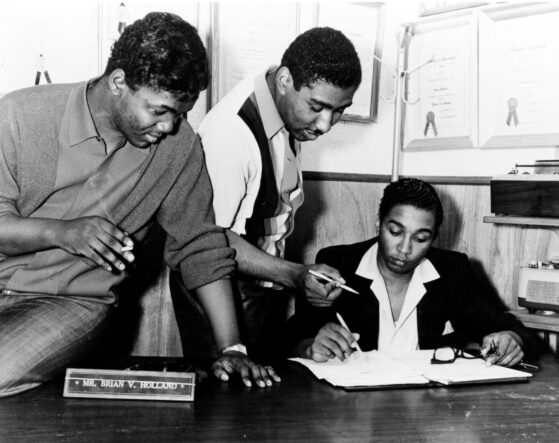
While this article focuses on Brian’s production genius, it’s crucial to remember that his greatest achievements were often born out of his collaboration with Lamont Dozier and Eddie Holland. This triumvirate was a creative powerhouse, each bringing unique strengths to the table.
A Symbiotic Relationship
Lamont Dozier was primarily responsible for crafting the melodies. His knack for creating catchy, memorable tunes was undeniable. Eddie Holland, on the other hand, was the lyrical wordsmith, penning stories of love, heartbreak, and resilience that resonated with a wide audience. Brian was the sonic architect, taking these raw materials—the melodies and lyrics—and transforming them into fully realized, commercially successful records. This division of labor, combined with their shared understanding of popular music, created an almost unstoppable hit-making machine.
Creative Tensions and Triumphs
Like any long-standing creative partnership, H-D-H undoubtedly experienced their share of tensions and disagreements. However, it was often through these creative discussions that their best work emerged. The push and pull between melody, lyrics, and production ultimately resulted in a polished, cohesive product that often felt effortless to the listener. Their ability to navigate these creative differences speaks volumes about their shared commitment to excellence. The synergy within H-D-H was more than the sum of its parts, a testament to their individual talents converging for a common, highly successful goal.
Lasting Impact and Recognition
| Metric | Details |
|---|---|
| Full Name | Brian Holland |
| Profession | Songwriter, Record Producer |
| Notable Group | Holland–Dozier–Holland |
| Genres | Motown, Soul, R&B, Pop |
| Active Years | 1960s–present |
| Famous Collaborations | Lamont Dozier, Eddie Holland |
| Hit Songs Written | Over 100 |
| Notable Artists Worked With | The Supremes, The Four Tops, Martha and the Vandellas |
| Hall of Fame Induction | Songwriters Hall of Fame (1990) |
Brian Holland’s musical legacy is etched into the very fabric of popular music. His contributions, both individually and as part of H-D-H, have been recognized and celebrated over the years.
Awards and Accolades
H-D-H was inducted into the Songwriters Hall of Fame in 1988 and the Rock and Roll Hall of Fame in 1990. These accolades are well-deserved recognition for their unparalleled impact on the music industry. Brian Holland’s specific genius for production often gets subsumed under the H-D-H banner, but his role was undeniably critical to their success. His influence on how records were made and what a popular song could be cannot be overstated.
An Enduring Catalog
Decades after their initial release, the songs Brian Holland produced continue to be played on radio, featured in films and commercials, and sampled by contemporary artists. They remain fresh, vibrant, and emotionally resonant, a testament to their timeless quality. This enduring appeal is a direct result of Brian’s meticulous production and the team’s commitment to crafting high-quality, memorable music. The Motown sound, carefully sculpted by Brian, possesses a universal appeal that transcends generations and cultural divides, ensuring its place in history.
Brian Holland’s work as a producer was transformative. He didn’t just record songs; he crafted them, imbuing each track with a distinctive sound and an undeniable emotional punch. His genius lay in his ability to combine musicality with commercial savvy, creating records that were both artistically significant and universally beloved. His legacy is not just a list of hits, but a fundamental chapter in the story of American popular music.