
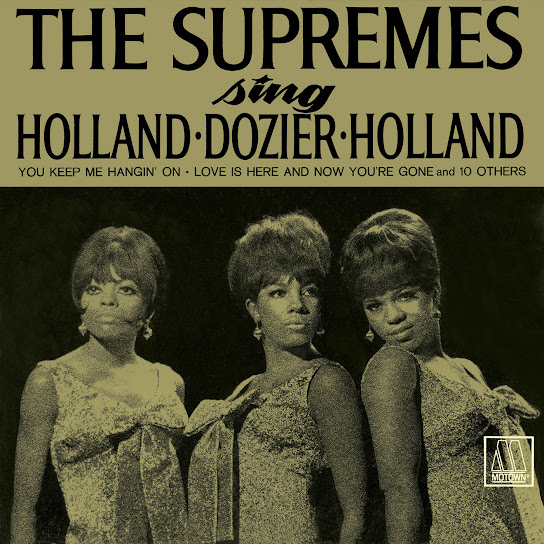
So, you’re curious about Diana Ross and The Supremes. It’s a name that pops up a lot, and for good reason. They were a powerhouse, defining a sound and a style that still resonates today. Basically, if you’re asking what made them so special, it boils down to a few key things: incredible talent, groundbreaking success, and a knack for storytelling through song that just connected with people. They weren’t just singers; they were icons who broke barriers and set trends.
Before they were “The Supremes,” they were a group of ambitious young women from Detroit with big dreams. The story starts in the Brewster-Douglass Housing Projects, a place that fostered a strong sense of community and, as it turned out, a lot of musical talent.
Early Days and Formation
The seeds of The Supremes were planted in the late 1950s. Florence Ballard, Mary Wilson, and a younger singer named Diana Ross, then known as Diane Ross, were already singing together in various iterations of local groups. They met through their shared interest in music and a desire to make something of themselves beyond their neighborhood. Imagine a group of teenage girls, full of energy and talent, practicing their harmonies and dreaming of the big time. That was them.
Motown’s Golden Touch
Berry Gordy Jr.’s Motown Records was the place to be for aspiring Black artists in the early 1960s. Gordy, a visionary producer and businessman, was building an empire on soul music with crossover appeal. The group, initially called The Primettes, auditioned for Motown multiple times before finally being signed. It took persistence. Gordy saw potential, but he also knew they needed polish.
The Name Change and Rise to Fame
The name “The Supremes” was a stroke of genius, fitting for a group destined for greatness. The early years on Motown were about honing their craft, releasing singles, and building a following. While some early releases didn’t chart, they were learning, growing, and absorbing the Motown magic. Then, everything started to click.
The Supremes’ Golden Era: Chart-Topping Dominance
This is where The Supremes truly etched their name in music history. The 1960s saw them achieve unprecedented success, becoming one of the biggest acts in the world.
The Holland-Dozier-Holland Partnership
A significant factor in their success was the songwriting and production team of Holland-Dozier-Holland. Brian Holland, Lamont Dozier, and Eddie Holland were the architects behind many of Motown’s biggest hits, and they crafted a sound specifically for The Supremes that was instantly recognizable. Their songs were catchy, sophisticated, and often told stories of love and heartbreak with a mature sensibility.
Chart Domination and Iconic Hits
From 1964 to 1969, The Supremes had an astounding five number-one singles on the Billboard Hot 100. This was an achievement no other vocal group had reached before. Think about that for a moment. Five times they reached the pinnacle of the pop charts.
- “Where Did Our Love Go”: This was the song that broke them wide open. It was simple, elegant, and had a melody that stuck with you. It kicked off their string of number-one hits and announced their arrival to the mainstream.
- “Baby Love”: Following up such a massive hit is tough, but “Baby Love” did it. It was a slightly more wistful take on love, but still incredibly catchy.
- “Come See About Me”: Another quintessential Supremes track, showcasing their vocal harmonies and the signature Motown sound.
- “Stop! In the Name of Love”: This song became an anthem, instantly recognizable by its dramatic pauses and Diana Ross’s powerful vocal delivery. The choreography associated with this song also became iconic.
- “You Can’t Hurry Love”: This hit had a more upbeat tempo and a message of patience in love that resonated with audiences. It proved their versatility.
Beyond these chart-toppers, they had a string of other major hits like “You Keep Me Hangin’ On,” “Stolen Kiss,” and “Love Child,” further solidifying their status.
The “Supreme” Look and Style
The Supremes weren’t just about the music; they were also fashion icons. Their glamorous gowns, elaborate hairstyles, and polished stage presence were as much a part of their appeal as their voices. Motown understood the importance of presentation, and The Supremes were the perfect canvas. They brought a level of sophistication and glamour to the stage that was aspirational and captivating. Their visual impact was as crucial as their auditory one in creating their enduring legacy.
Diana Ross Steps Forward: The Lead Singer’s Ascent
While The Supremes were a trio, it was clear from early on that Diana Ross was being positioned as the lead singer. This evolution was a key part of the group’s story and its continued success.
The “Girl Group” Dynamic
In the early days, the trio of Diana Ross, Florence Ballard, and Mary Wilson worked closely together. Their voices blended seamlessly, and they shared the spotlight to a degree. However, Berry Gordy and the Motown machine recognized Diana’s unique vocal quality and charismatic stage presence as a significant asset.
The Unofficial and Official Lead
As hits mounted, Diana’s vocal took center stage more frequently. While Mary and Florence provided crucial harmonies and backing vocals, Diana’s voice became the primary instrument delivering the melody and emotional core of their songs. This wasn’t a sudden shift, but a gradual recognition and amplification of her individual talent within the group framework. Over time, she became the undisputed lead, and the public’s perception followed suit.
Transitioning to Solo Stardom
By the late 1960s, the groundwork was being laid for Diana Ross’s solo career. While The Supremes continued to record and perform, the focus increasingly shifted towards Diana. This was a natural progression for a performer of her caliber, and Motown was adept at nurturing and launching solo careers from within its groups.
The Supremes Through the Years: Lineup Changes and Enduring Appeal
The Supremes’ story isn’t just about their initial success; it’s also about their longevity and the transitions they navigated. Like many long-running musical acts, The Supremes experienced lineup changes.
Florence Ballard’s Departure
Florence Ballard, one of the original members, was let go from the group in 1967. This was a significant moment, and it’s a part of their history that is often discussed. While the reasons are complex and debated, her departure marked a turning point. Cindy Birdsong replaced Florence, and the group continued its success.
Mary Wilson’s Dedication
Mary Wilson remained a constant presence throughout much of The Supremes’ history. Her dedication to the group, even as lineups changed, is a testament to her commitment and resilience. She was an integral part of their sound and image for many years.
The “New” Supremes and Beyond
The Supremes continued to record and tour with various members over the years, always with Diana Ross at the helm until her departure. The group’s name became synonymous with Diana Ross, and even after she went solo, “The Supremes” continued in various forms, though they never recaptured the same level of global phenomenon status. The original magic, with the iconic trio, remained the benchmark.
The Legacy: More Than Just Music
| Metric | Value |
|---|---|
| Formation Year | 1959 |
| Original Group Name | The Primettes |
| Number of #1 Hits on Billboard Hot 100 | 12 |
| Famous #1 Hits | “Where Did Our Love Go”, “Baby Love”, “Stop! In the Name of Love” |
| Lead Singer | Diana Ross |
| Years Active as Diana Ross & The Supremes | 1967–1970 |
| Total Studio Albums Released | 12 |
| Induction into Rock and Roll Hall of Fame | 1988 |
| Notable Awards | Grammy Lifetime Achievement Award (2017) |
The impact of Diana Ross and The Supremes extends far beyond their impressive discography. They were trailblazers who shattered glass ceilings and paved the way for future generations.
Breaking Racial Barriers
In an era of racial segregation, The Supremes achieved massive success on mainstream pop charts, which were predominantly white. They brought Black artistry and culture into the homes of millions, challenging perceptions and fostering a greater appreciation for Black talent. Their ability to cross over and achieve such widespread popularity was a significant cultural achievement. They weren’t just a musical act; they were a symbol of progress and changing times.
Cultural Icons and Influence
Their fashion, their style, their confident demeanor – it all contributed to their status as cultural icons. They influenced not only aspiring musicians but also fashion designers, makeup artists, and anyone who aspired to a sense of glamour and sophistication. Their image was as powerful as their sound.
The Enduring Power of Their Songs
Even today, The Supremes’ songs are heard everywhere – on the radio, in movies, at weddings. Their music has a timeless quality that continues to connect with new audiences. The stories of love, joy, and heartbreak told in their songs are universal, making them relevant across generations. They created a soundtrack for a generation and beyond.
In essence, Diana Ross and The Supremes were more than just a successful musical group. They were a phenomenon that combined incredible talent with groundbreaking achievements, leaving an indelible mark on music and culture that continues to inspire.