
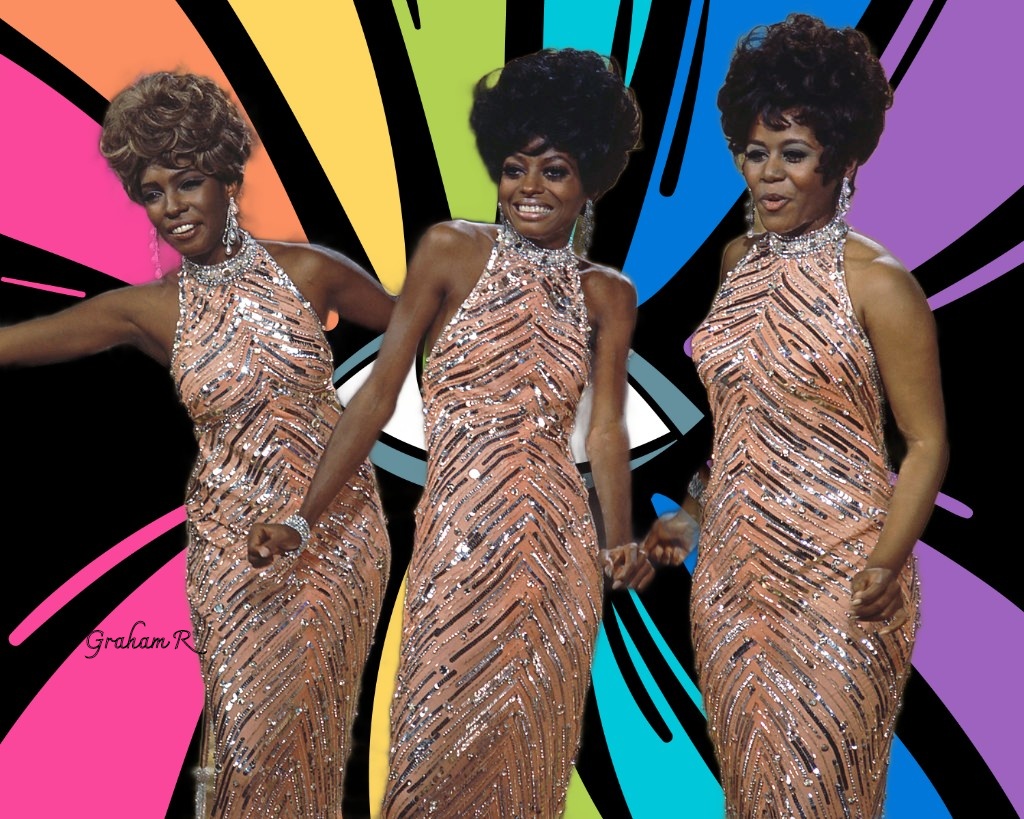
You’re probably wondering what made Diana Ross and The Supremes such a massive deal, and honestly, it boils down to a few key things that just clicked. They weren’t just a girl group; they were a phenomenon that blended incredible talent with impeccable timing and a whole lot of ambition. It was a perfect storm of vocal prowess, electrifying stage presence, and a knack for picking songs that became instant classics. They essentially wrote the playbook for what a modern girl group could be, setting a standard that many still try to reach today.
It all started in the gritty, vibrant music scene of Detroit, Michigan. Before the glittering gowns and sold-out stadiums, they were just a group of talented young women with big dreams. This early period is crucial to understanding their journey and how they navigated the often-tough music industry.
Berry Gordy’s Vision and the Motown Machine
Berry Gordy Jr., the mastermind behind Motown Records, had a specific vision for his artists, and The Supremes were central to that. He was building an empire, a “sound of young America,” and he saw in Diana Ross and her companions the perfect vehicle to achieve it. Motown was more than just a record label; it was a meticulously crafted factory for hit songs and crossover appeal.
The “Hitsville U.S.A.” Sound
Motown’s production was famously polished. They employed a stable of talented songwriters and producers, like the legendary Holland-Dozier-Holland team, who were experts at crafting infectious melodies and relatable lyrics. The Supremes’ early material, while good, really started to take off when they were given songs that resonated universally. This focus on quality songwriting was a cornerstone of their success.
Early Struggles and Determination
It wasn’t an overnight success story, though. The group, initially known as The Primettes, faced rejections and had to work tirelessly to get noticed. Their persistence and unwavering belief in their talent are a testament to their character. They honed their skills in smoky Detroit clubs, building a stage presence that would later become legendary.
The “No. 1s” Era: When Everything Changed
There’s a specific period where Diana Ross and The Supremes weren’t just successful; they were unstoppable. This was the era that solidified their place in music history and redefined what chart success could look like for a Black female vocal group.
The “Sound of Young America” Embodied
The Supremes truly became the embodiment of the Motown sound that Berry Gordy was promoting. Their music transcended racial barriers, appealing to a broad audience. They were sophisticated, stylish, and sang songs that spoke to universal themes of love, heartbreak, and dreams.
The Magic of Holland-Dozier-Holland
As mentioned, the songwriting partnership of Holland-Dozier-Holland was instrumental. They penned a string of undeniable hits for The Supremes, including “Where Did Our Love Go,” “Baby Love,” “Stop! In the Name of Love,” and “You Can’t Hurry Love.” These weren’t just songs; they were cultural touchstones.
Building the Brand: Image and Performance
It wasn’t just about the music. The Supremes, with Diana Ross at the forefront, cultivated a sophisticated image. Their fashion was impeccable, their choreography was synchronized and elegant, and their performances were always polished and captivating. This attention to detail made them not just musicians, but entertainers who could command any stage.
The Diana Ross Factor: A Star is Born
While The Supremes were a collective force, there’s no denying the magnetic pull of Diana Ross. Her charisma and vocal nuances were a significant part of their appeal, and her journey within the group is a story in itself.
Diana’s Unique Vocal Style
Diana Ross possessed a voice that was both sweet and powerful, with a distinctive, often slightly vulnerable quality. She had a way of delivering lyrics that made them feel incredibly personal, drawing listeners into the emotional core of each song. Her phrasing was unique and her ability to convey emotion was unmatched.
The Subtle Power of Her Delivery
She wasn’t about overt vocal acrobatics. Instead, Ross excelled at subtle inflections, a gentle lilt, or a barely-there tremor that could speak volumes. This understated power made her vocals incredibly engaging and relatable, allowing audiences to connect with her on a deeper level.
Stage Presence and Charisma
Beyond her voice, Diana Ross had an undeniable stage presence. She moved with grace and confidence, her eyes conveying a world of emotion. Her charisma was palpable, drawing the audience’s attention and holding it captive. She was a natural-born performer who knew how to work a crowd.
The Leadership Role
Even in the early days, Ross often took on a leadership role within the group. This wasn’t about dominance, but about a shared drive and commitment to excellence. Her dedication to refining their sound and performance likely played a role in their sustained success.
The Supremes’ Impact: Beyond the Music Charts
The Supremes’ influence extended far beyond the Billboard charts. They broke down barriers and paved the way for future generations of artists, leaving an indelible mark on popular culture.
Breaking Racial Barriers
In a time when segregation was still a stark reality, The Supremes achieved unprecedented mainstream success. They performed on national television shows, graced the covers of magazines, and sold millions of records to audiences of all backgrounds. This was a monumental achievement and a significant step forward for Black artists in America.
Paving the Way for Black Artists
Their success opened doors for countless other Black artists to achieve national and international recognition. They proved that talent and artistry knew no color lines, challenging existing prejudices within the music industry and society at large.
Mainstream Crossover Appeal
The genius of Motown, and The Supremes’ particular appeal, lay in their ability to achieve true crossover success. They weren’t just a “Black” act; they were simply a fantastic act that everyone wanted to listen to. This was a conscious effort by Motown to appeal to a wider audience, and The Supremes were the perfect ambassadors for that mission.
Fashion and Cultural Influence
The Supremes were also style icons. Their glamorous gowns, elaborate hairstyles, and sophisticated demeanor set fashion trends and influenced how young women presented themselves. They were more than just singers; they were trendsetters who embodied a certain aspirational elegance.
Setting Trends in Fashion
Their wardrobe was always a spectacle. From their matching, sequined gowns to their meticulously styled hair, they presented a vision of glamour that captivated audiences. This visual aspect of their performance became as much a part of their identity as their music.
Defining the “Girl Group” Aesthetic
They essentially defined the modern girl group aesthetic: synchronized, glamorous, and delivering catchy, emotional songs. This blueprint has been emulated by countless groups since, cementing their legacy as pioneers.
Evolution and Transition: Staying Relevant
Like any long-lasting act, Diana Ross and The Supremes had to evolve to stay relevant in a constantly changing music landscape. This involved shifts in musical direction and, eventually, the departure of key members.
Musical Experimentation
While their core sound remained, The Supremes also experimented with different musical styles throughout their career. They explored more mature themes and adopted more complex arrangements, demonstrating their versatility and desire to grow as artists.
Shifting Towards More Mature Themes
As the group matured, so did their lyrical content. They moved beyond the purely innocent love songs to tackle themes of independence, introspection, and the complexities of relationships. This allowed them to connect with an older and more diverse audience.
Exploring Different Genres
While firmly rooted in soul and pop, there were instances where The Supremes touched upon disco, R&B, and even more orchestral arrangements, showcasing their ability to adapt and explore new sonic territories without losing their essence.
Lineup Changes and the “Diana Ross Show”
As with many long-running groups, The Supremes experienced lineup changes. The most significant transition was the gradual shift towards Diana Ross as the undisputed lead, eventually leading to the group being billed as “Diana Ross and The Supremes.” This transition, while sometimes challenging, ultimately allowed Ross to blossom into a solo superstar.
The Gradual Shift to Solo Focus
Over time, the group’s branding evolved to emphasize Diana Ross. This wasn’t a sudden change, but a gradual process that acknowledged her growing star power and individual appeal. It was a natural progression for an artist of her caliber.
Florence Ballard and Mary Wilson’s Contributions
It’s important to remember the vital contributions of original members like Florence Ballard and Mary Wilson. Ballard, with her powerful alto voice, and Wilson, a steady and elegant presence, were integral to The Supremes’ early success and enduring sound. Their stories are as much a part of the Supremes’ legacy as Diana’s.
Legacy and Enduring Appeal
| Metric | Data |
|---|---|
| Group Name | Diana Ross and the Supremes |
| Active Years | 1960–1970 |
| Number of #1 Hits on Billboard Hot 100 | 12 |
| Famous #1 Hits | “Where Did Our Love Go”, “Baby Love”, “Stop! In the Name of Love” |
| Lead Singer | Diana Ross |
| Record Label | Motown |
| Genre | R&B, Soul, Pop |
| Number of Studio Albums (as Diana Ross and the Supremes) | 6 |
| Notable Awards | Grammy Lifetime Achievement Award (2017) |
Decades after their peak, the music and influence of Diana Ross and The Supremes continue to resonate. Their songs are timeless, and their impact on music and culture is undeniable.
The Timelessness of Their Music
The songs The Supremes recorded are still played on the radio, streamed by new generations, and covered by contemporary artists. Their melodies are instantly recognizable, and their lyrics continue to speak to people’s hearts. It’s a testament to the quality of the songwriting and the iconic performances.
Still Heard Today
From weddings to parties to everyday playlists, “Where Did Our Love Go” and “You Can’t Hurry Love” are still guaranteed crowd-pleasers. This longevity speaks volumes about the universal appeal of their sound and the craftsmanship that went into their music.
A Soundtrack to Generations
For many, The Supremes’ music is a soundtrack to their lives, evoking memories of first loves, good times, and significant moments. They provided the anthems for entire generations, and that kind of connection is truly special.
The Influence on Future Artists
The blueprint they created has been followed by countless artists, particularly girl groups, who have looked to The Supremes for inspiration. Their blend of vocal harmony, stage presence, and sophisticated image has become a benchmark for success.
The Modern Girl Group Template
From Destiny’s Child to Little Mix, you can see the echoes of The Supremes in the choreography, the harmonies, and the overall presentation of many modern girl groups. They set a standard for what it means to be a coordinated, charismatic, and successful vocal ensemble.
A Masterclass in Entertainment
Diana Ross and The Supremes offered a masterclass in entertainment. They proved that a group could be musically talented, visually stunning, and culturally impactful, all at once. This holistic approach to artistry is a lesson that continues to inspire.